

An Expanding Collection of 90+ of My Top Energizers, Exercises & Sources for Meaningful Collaboration & Personal Growth
Search for Something Specific
Filter By Resource Type
Filter By Resource Subject

Ninja · Hunter · Bear
Ninja · Hunter · Bear is a loud, physical twist on Rock–Paper–Scissors designed to unlock play and collective energy. It replaces self-consciousness with laughter, momentum, and instant group bonding.

Road to Self-Renewal
Gardner’s timeless reflection on lifelong learning challenges the idea that growth ends once we “arrive.” It shows that meaning and leadership depend on our willingness to keep learning and committing beyond the self.
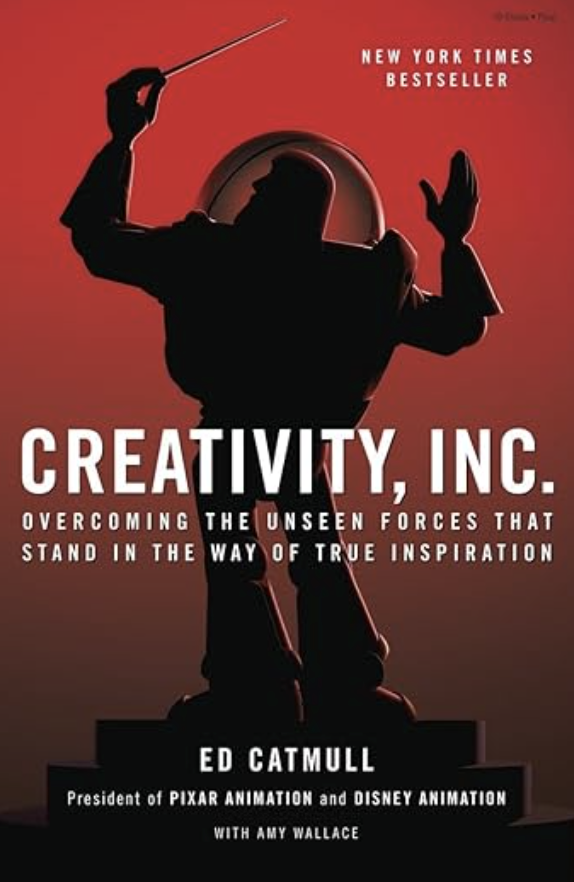
Creativity, Inc.
A masterful exploration of how leadership, culture, and trust shape creativity — drawn from Ed Catmull’s experience building Pixar as its co-founder and President.
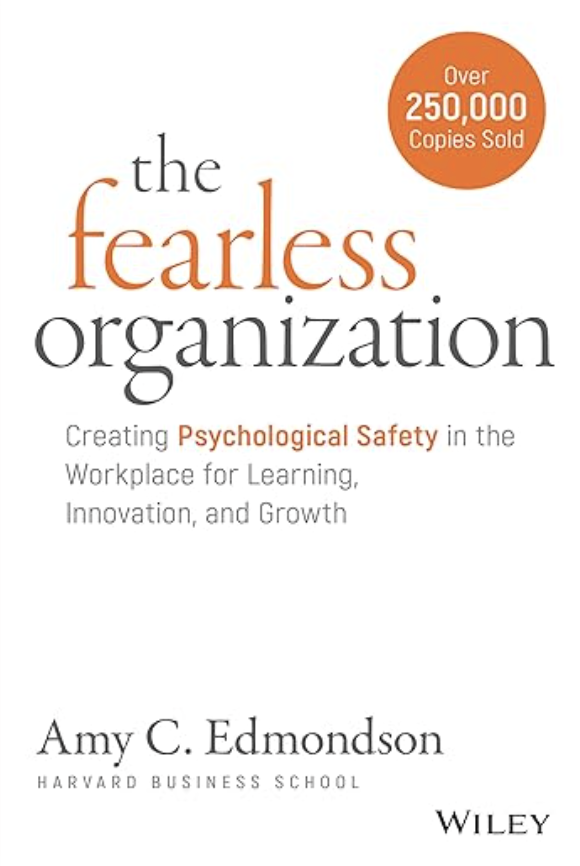
The Fearless Organization
A classic, research-based guide to creating psychological safety at work so people can speak up, learn, and innovate without fear.
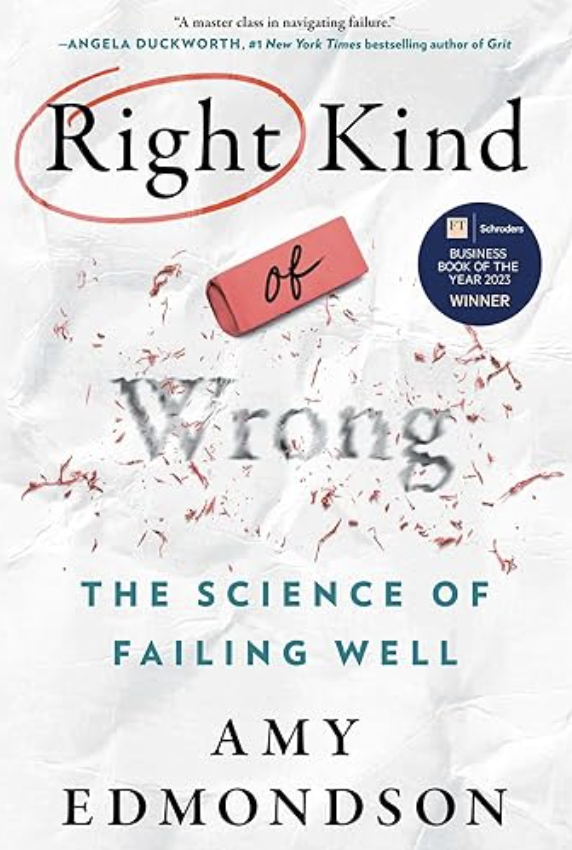
Right Kind of Wrong
A research-based guide to understanding different kinds of failure and why learning depends on failing intelligently rather than avoiding mistakes. Edmondson shows how leaders can create the conditions for experimentation without blame.
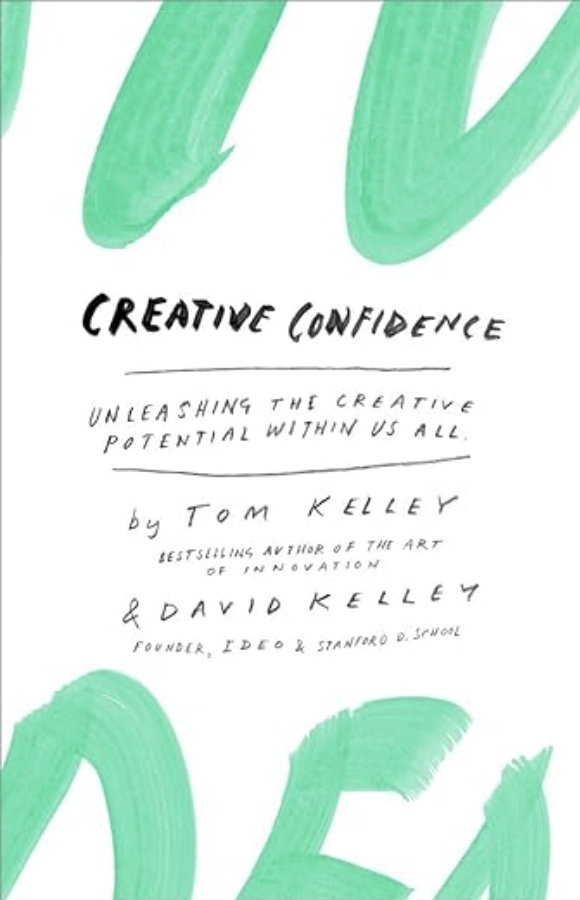
Creative Confidence
A practical guide to reclaiming creativity by overcoming fear and building confidence through action, experimentation, and empathy.
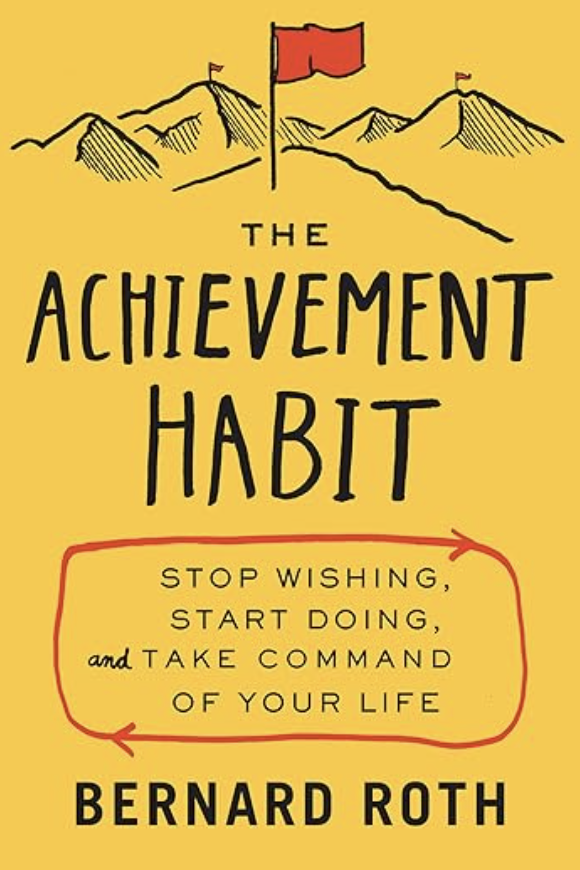
The Achievement Habit
A practical, design-inspired guide to turning intention into action through small experiments, responsibility, and behavioral change.
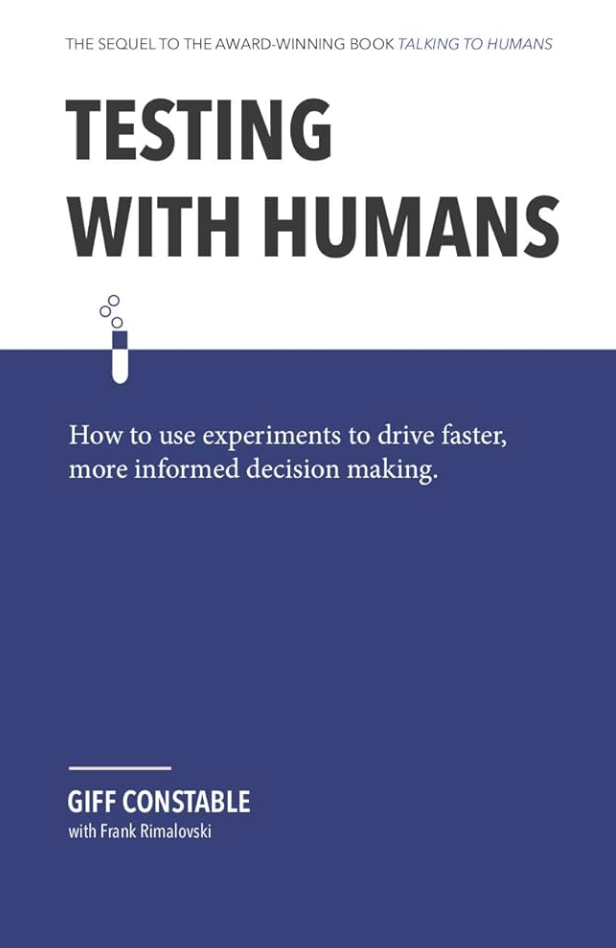
Testing with Humans
A practical guide to testing assumptions through small, real-world experiments, helping teams reduce uncertainty and make better decisions early.
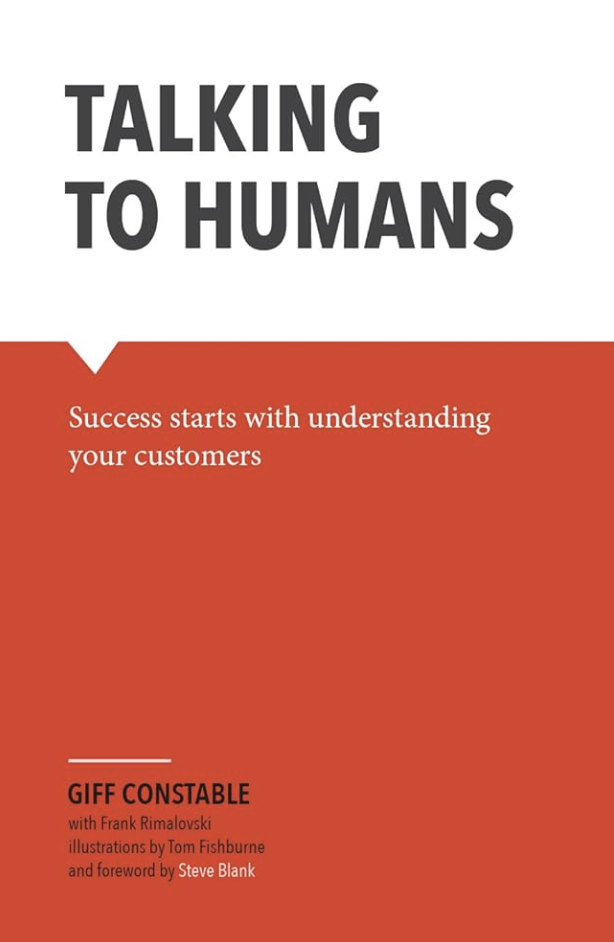
Talking to Humans
A practical guide to customer discovery that emphasizes learning through real conversations rather than assumptions. Giff Constable shows how talking to humans early can prevent costly mistakes later.
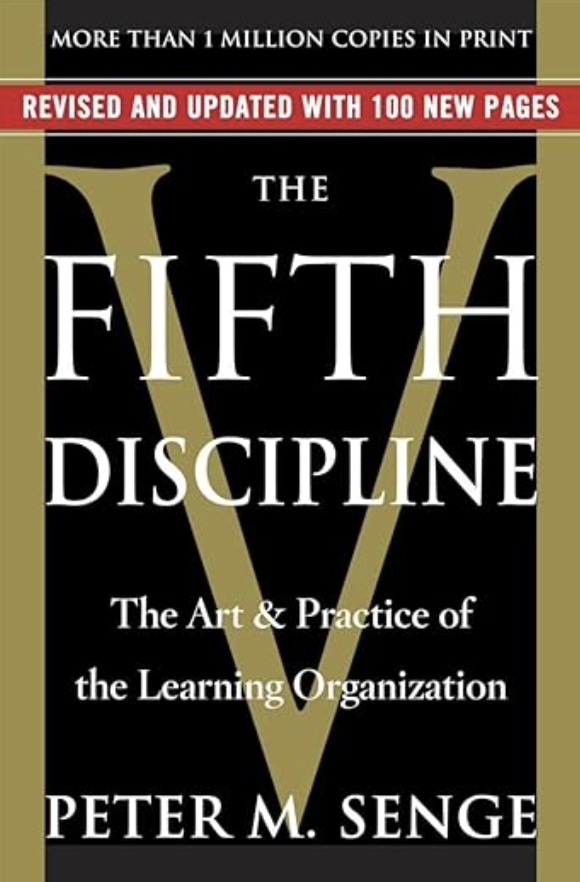
The Fifth Discipline
A foundational work on systems thinking and organizational learning, this book shows how deep-seated structures and mental models shape behavior and outcomes over time.

Hyper Island Toolbox
An experiential learning and facilitation toolkit from Hyper Island, focused on collaboration, reflection, and learning through action.
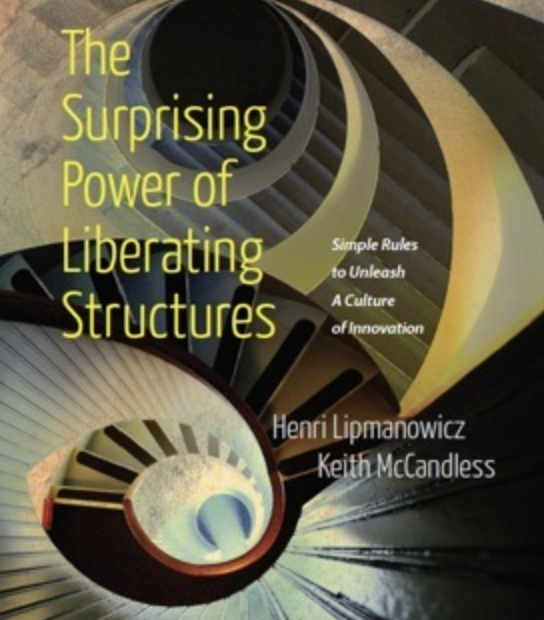
Liberating Structures
A facilitation toolkit offering simple interaction patterns that help groups work more inclusively, effectively, and intelligently together.
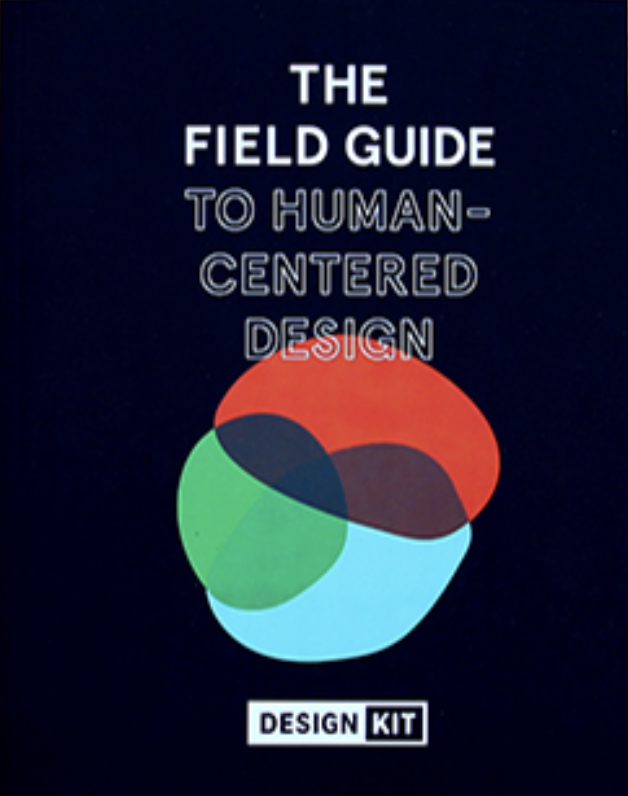
IDEO.org Design Kit
A human-centered design toolkit from the legendary design firm focused on applying design thinking to social, public, and community-based challenges.
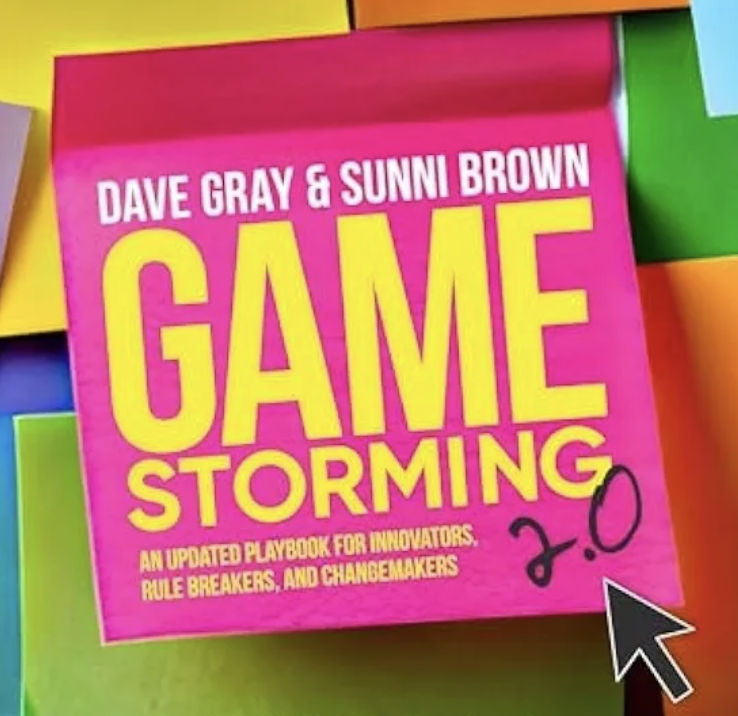
Gamestorming
A facilitation toolkit based on structured games that help teams think visually, collaborate more effectively, and tackle complex challenges together.
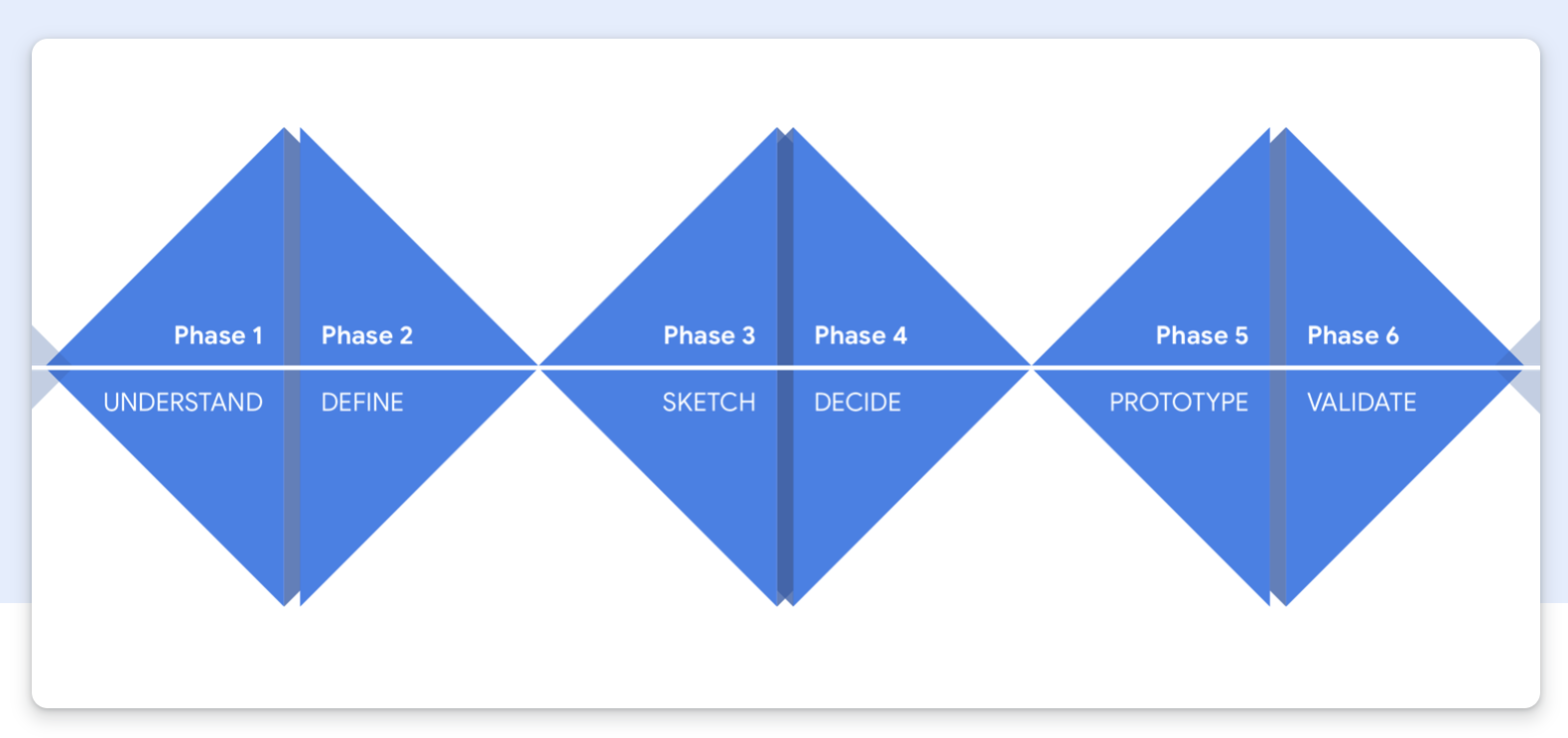
Google Ventures Design Sprint Kit
A structured innovation toolkit from Google Ventures designed to help teams solve big problems and test ideas quickly through time-boxed sprints and rapid user testing.
Stanford d.school Bootleg
A foundational design thinking toolkit bringing together practical tools for human-centered innovation. Widely used across universities, startups, and organizations to navigate ambiguity through empathy, experimentation, and iteration.

Google’s Aristotle Project
Google’s research revealed that great teams aren’t built on talent alone, but on psychological safety — the shared belief that it’s safe to speak, risk, and be human at work.

Formula 1 Pitstop & Leadership
When teams fail under pressure, the problem is often not skill or effort, but design. This story shows how looking sideways — to Formula 1 pit crews — helped a hospital radically reduce errors and rethink how high-stakes teamwork really works.

Perceiving Needs
Needs aren’t objective facts waiting to be discovered — they are perceived. This essay shows why seeing what’s missing requires empathy, intuition, and a willingness to question how we look at the world.

The Anthropologist
Innovation doesn’t begin with better ideas, but with better attention. This reading shows why observing people in real contexts often reveals more than analysis, surveys, or expert opinion ever could.