

An Expanding Collection of 90+ of My Top Energizers, Exercises & Sources for Meaningful Collaboration & Personal Growth
Search for Something Specific
Filter By Resource Type
Filter By Resource Subject
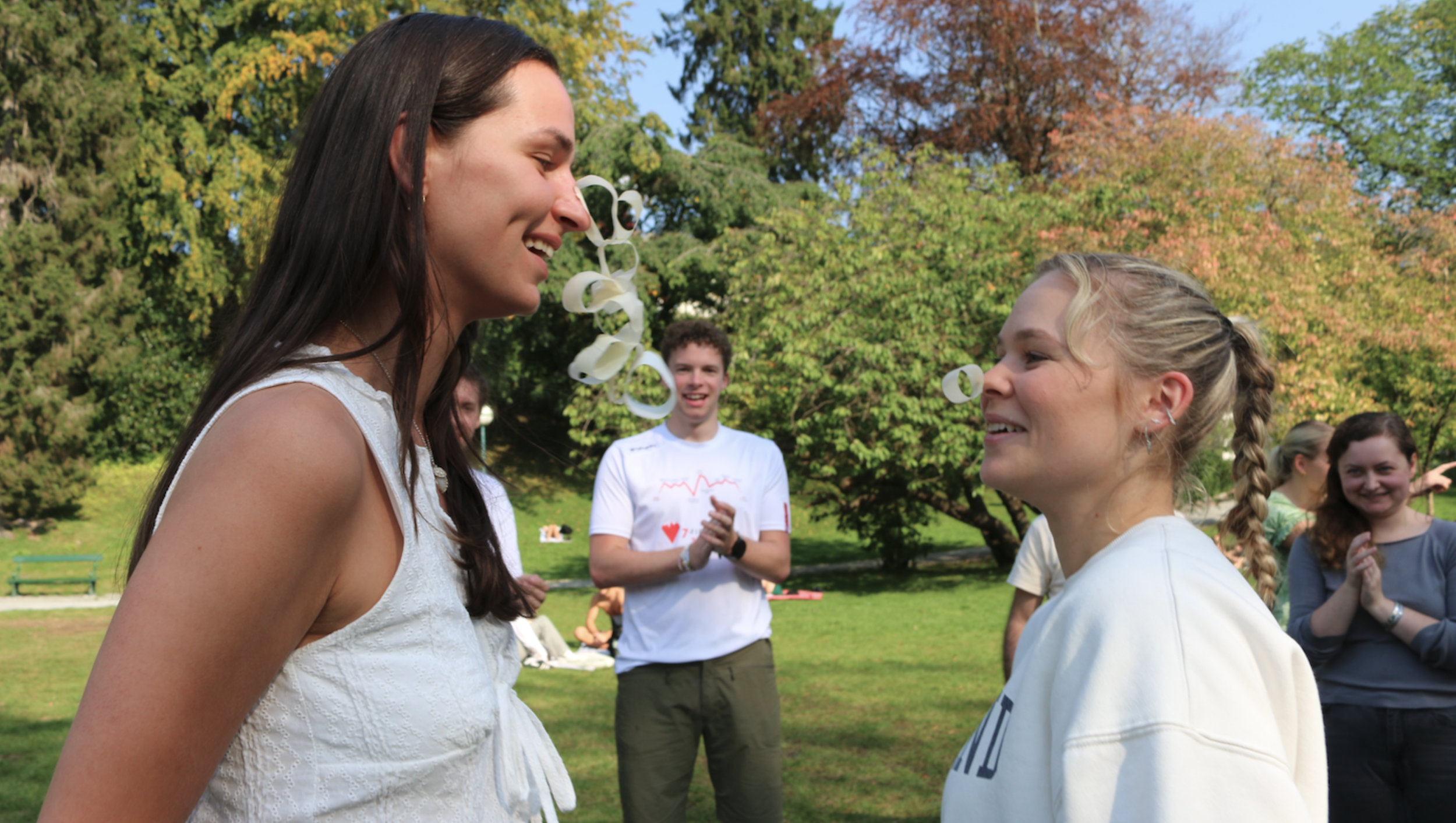
Nose Jousting
Nose Jousting is controlled chaos by design: tape on noses, hands off, dignity optional. It works by making everyone ridiculous together — flattening hierarchy, releasing inhibition, and igniting collective energy fast.
Human Chair
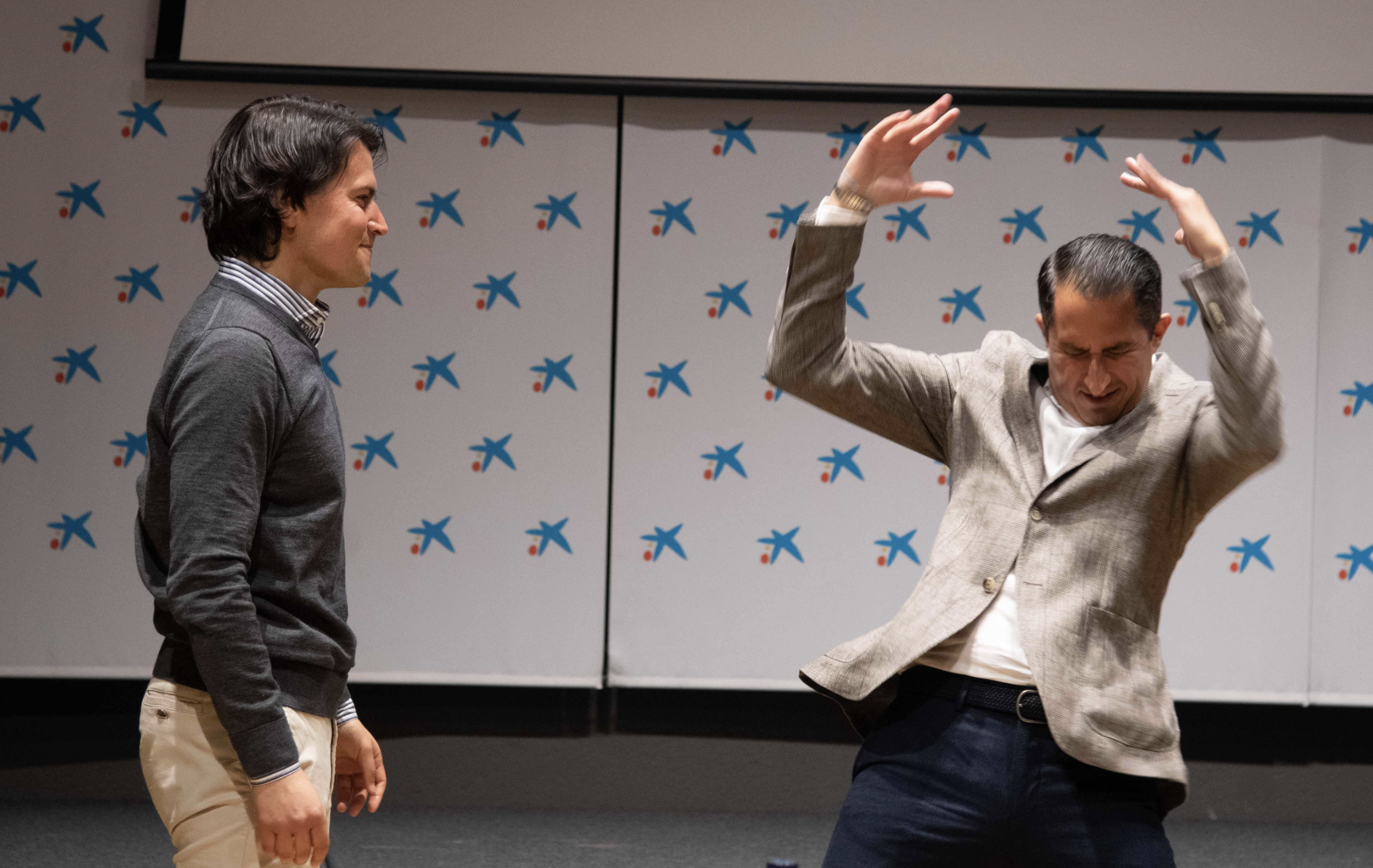
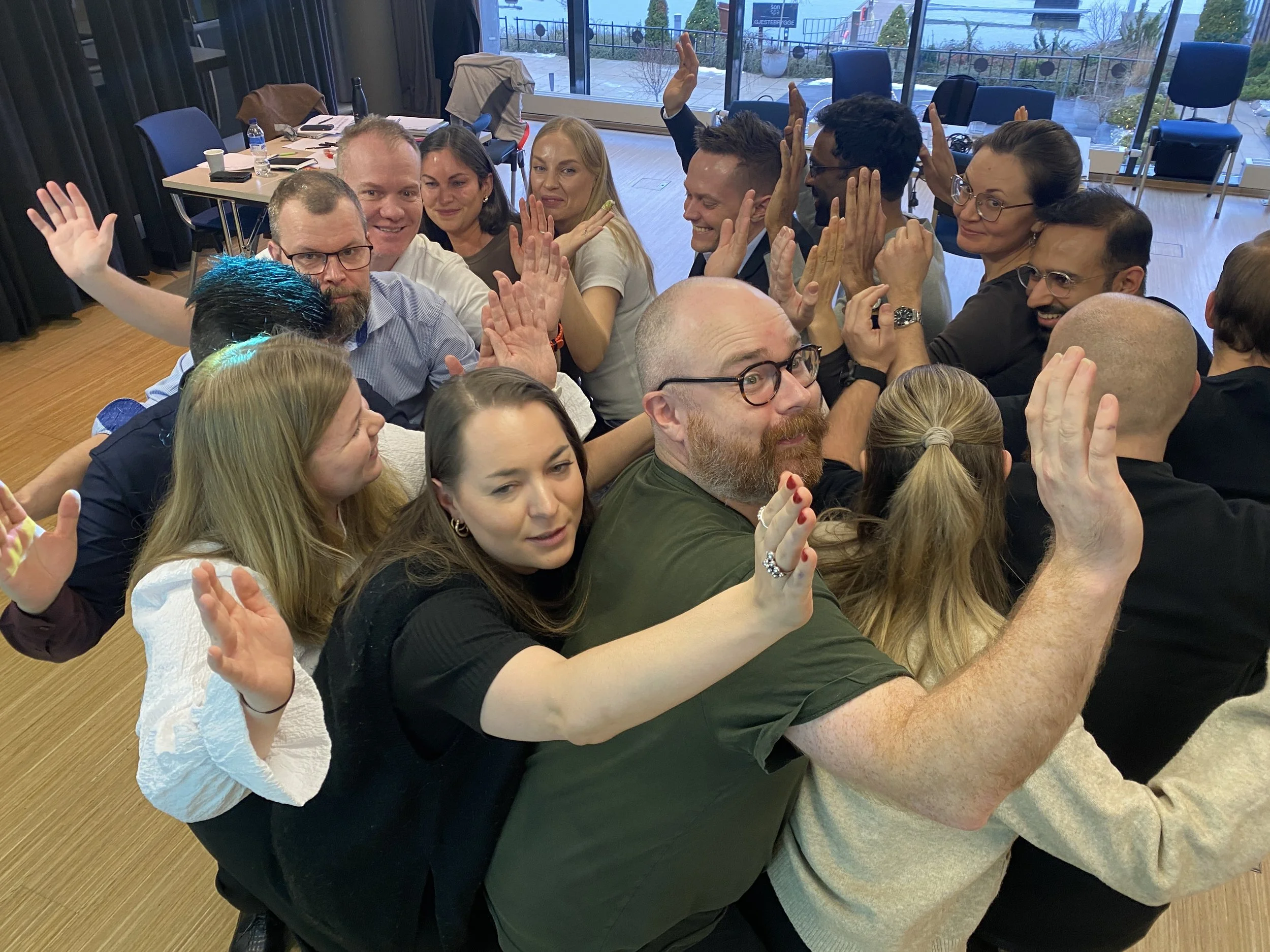
Human Chair challenges a group to do something that feels slightly impossible — together. By leaning on one another, teams experience trust, coordination, and collective success in a very literal way.

Regrets of the Dying
A short, sobering reflection on what people most often regret at the end of life. It cuts through noise and ambition to remind us that authenticity, relationships, and the courage to choose happiness matter more than anything else.
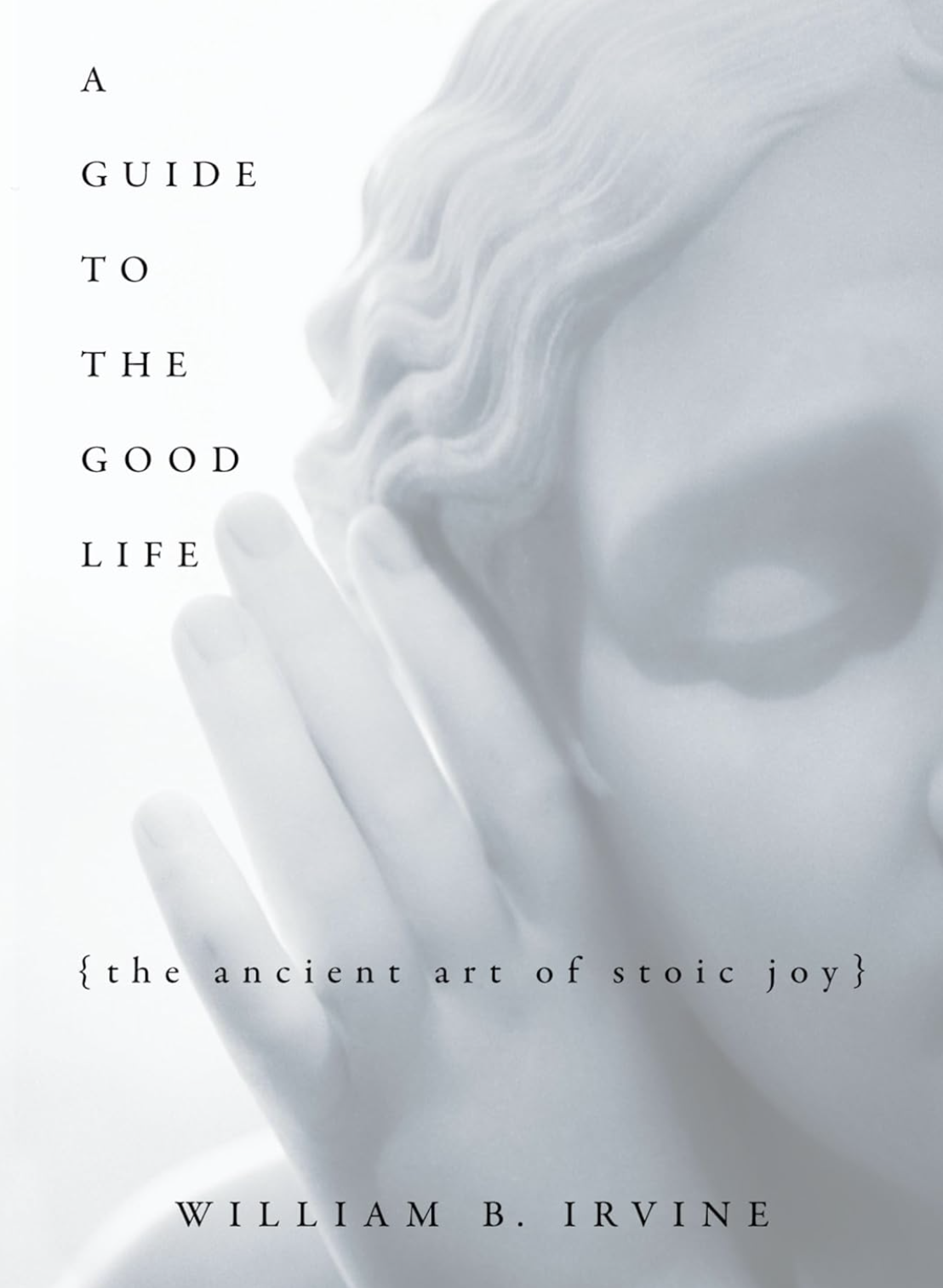
A Guide to the Good Life
A remarkably clear and practical guide to Stoicism as a way of living — not abstract theory. Irvine shows how disciplined judgment, attention, and restraint can help us live a calmer, more intentional life.
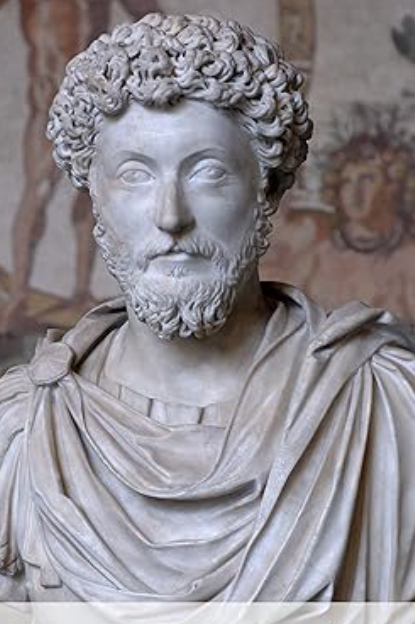
Meditations
A private notebook turned timeless guide to self-leadership under pressure. Meditations offers clear, grounded reminders for acting with calm, integrity, and perspective — especially when the world doesn’t cooperate.
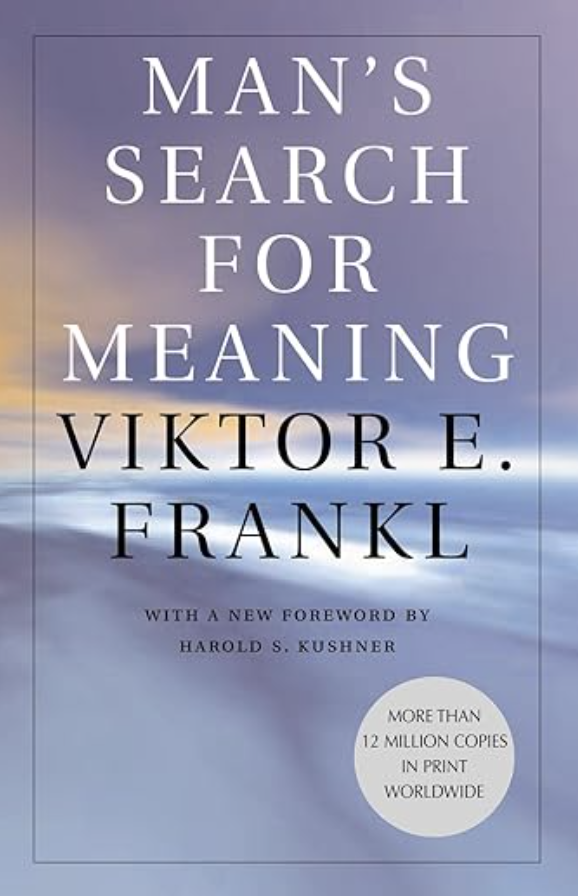
Man’s Search for Meaning
A powerful book about finding meaning when circumstances strip everything else away. Frankl reminds us that even in suffering, we retain the freedom to choose our attitude.
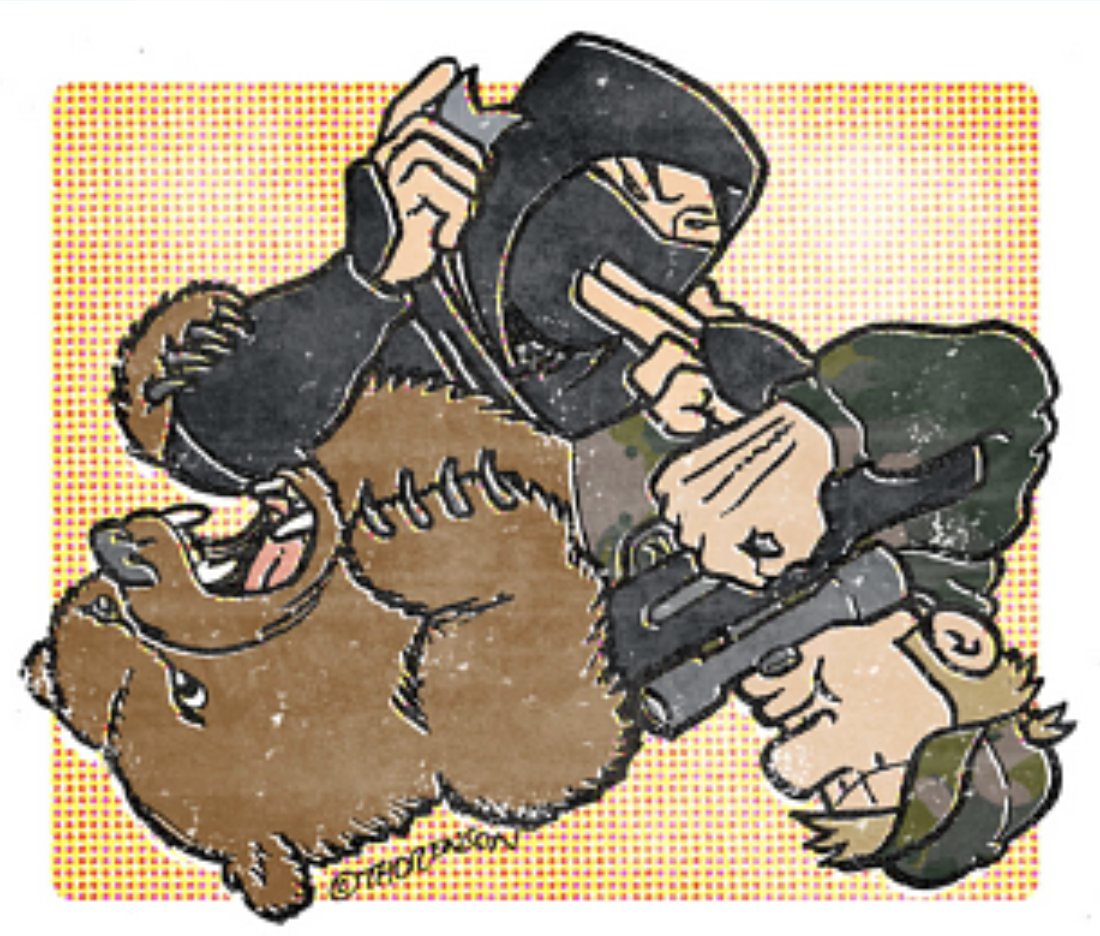
Ninja · Hunter · Bear
Ninja · Hunter · Bear is a loud, physical twist on Rock–Paper–Scissors designed to unlock play and collective energy. It replaces self-consciousness with laughter, momentum, and instant group bonding.
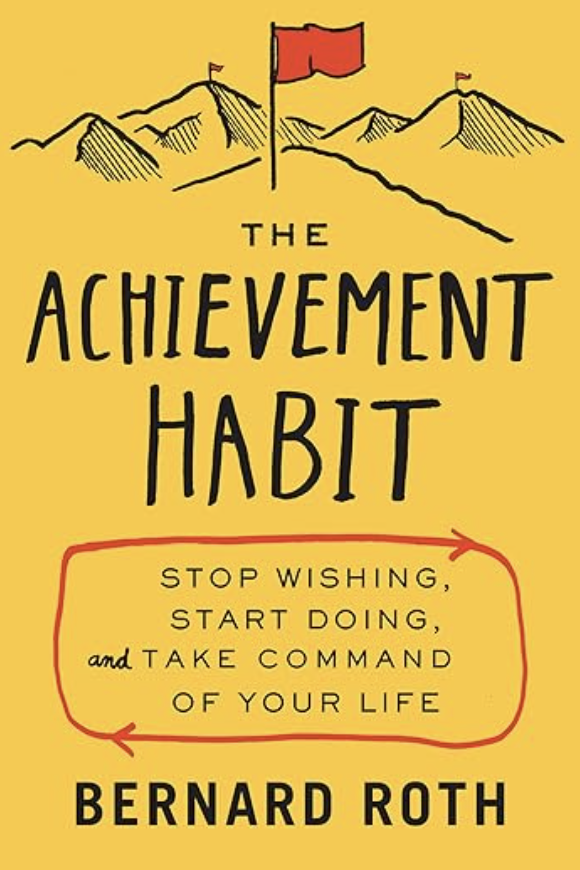
The Achievement Habit
A practical, design-inspired guide to turning intention into action through small experiments, responsibility, and behavioral change.
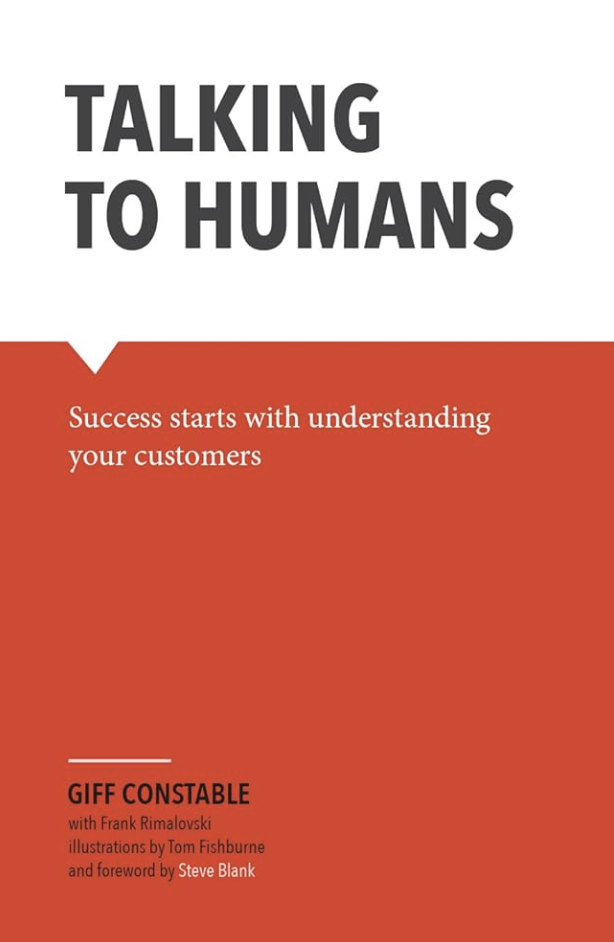
Talking to Humans
A practical guide to customer discovery that emphasizes learning through real conversations rather than assumptions. Giff Constable shows how talking to humans early can prevent costly mistakes later.
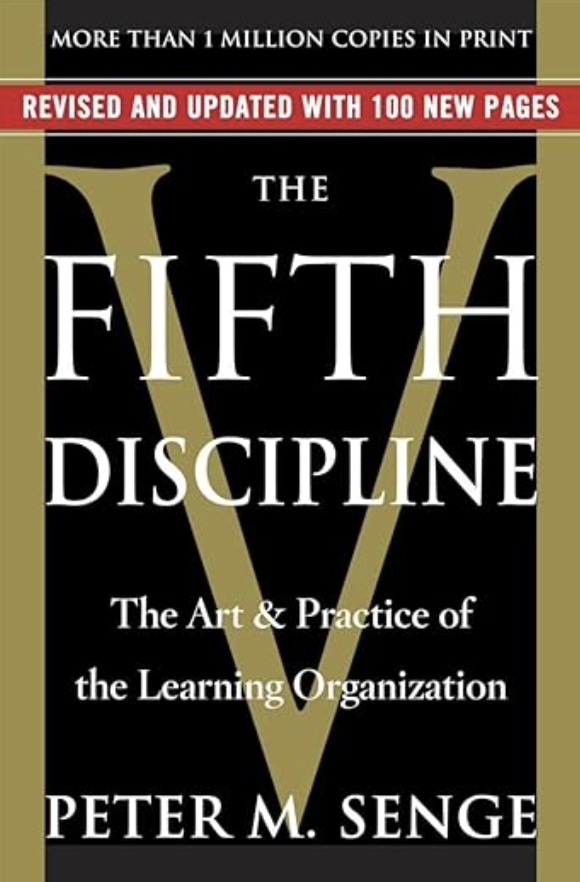
The Fifth Discipline
A foundational work on systems thinking and organizational learning, this book shows how deep-seated structures and mental models shape behavior and outcomes over time.

The Anxious Generation
A research-driven exploration of how digital technologies and changing childhood norms are reshaping mental health in younger generations.
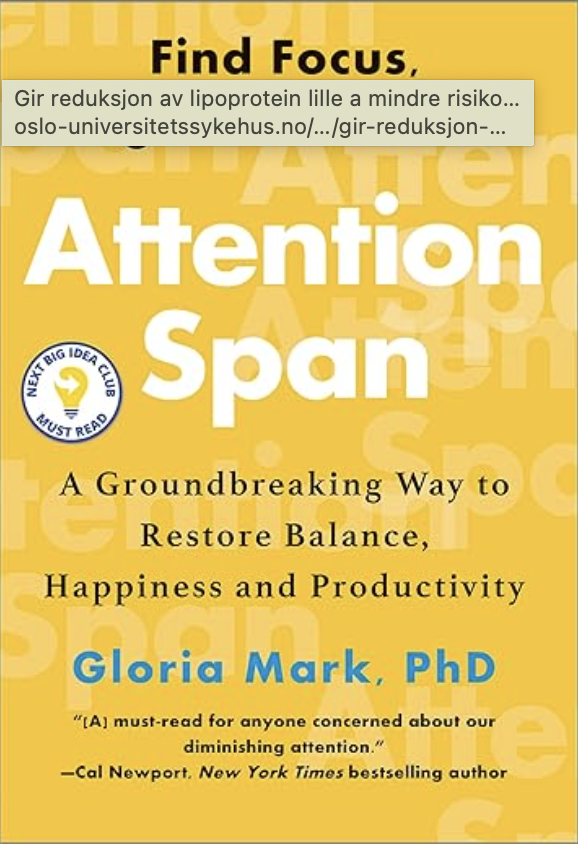
Attention Span
A research-based examination of how modern work fragments attention — and what individuals and organizations can do to restore balance and focus.
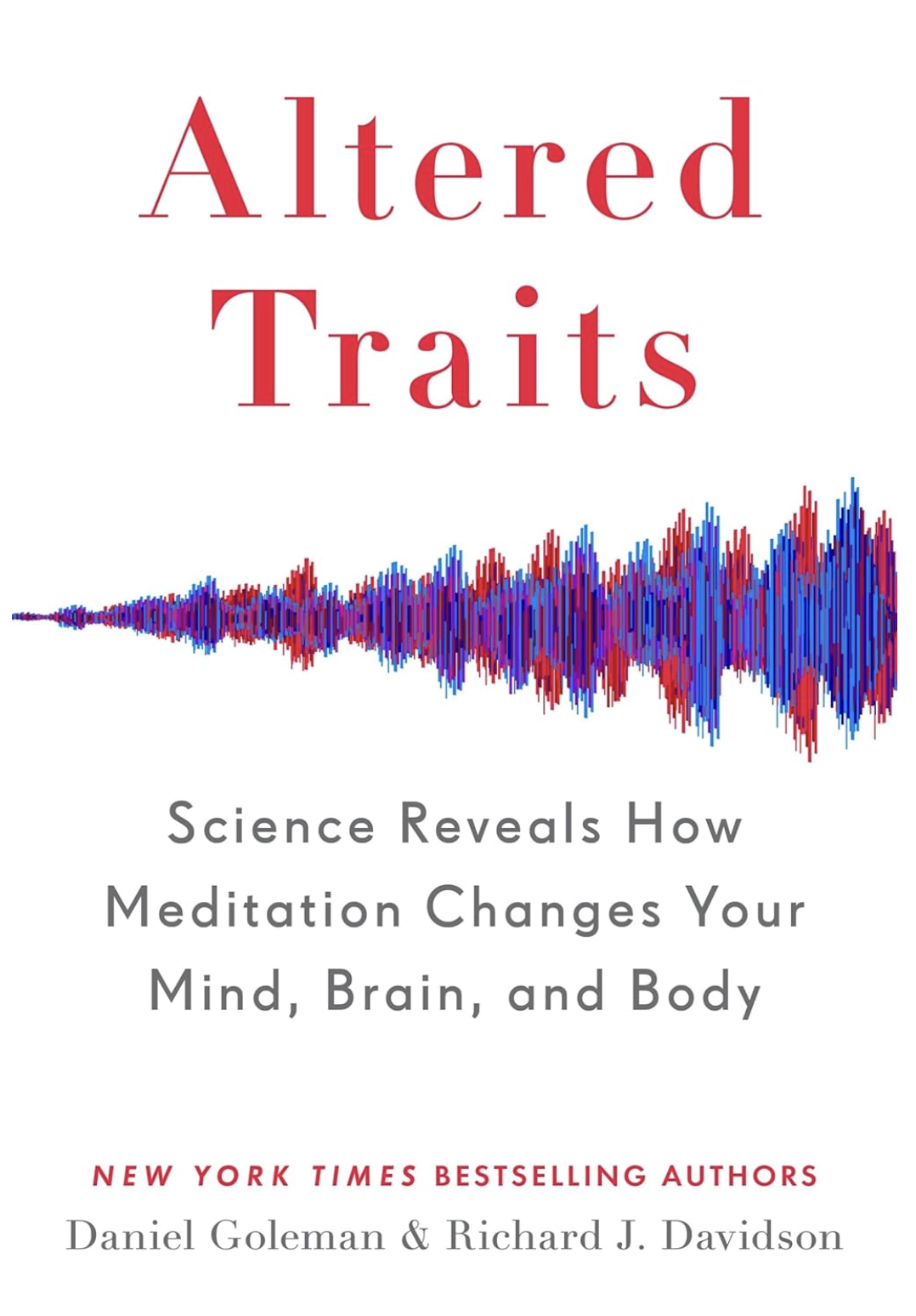
Altered Traits
A science-based examination of how meditation reshapes attention, emotion, and behavior over time, separating evidence from hype.
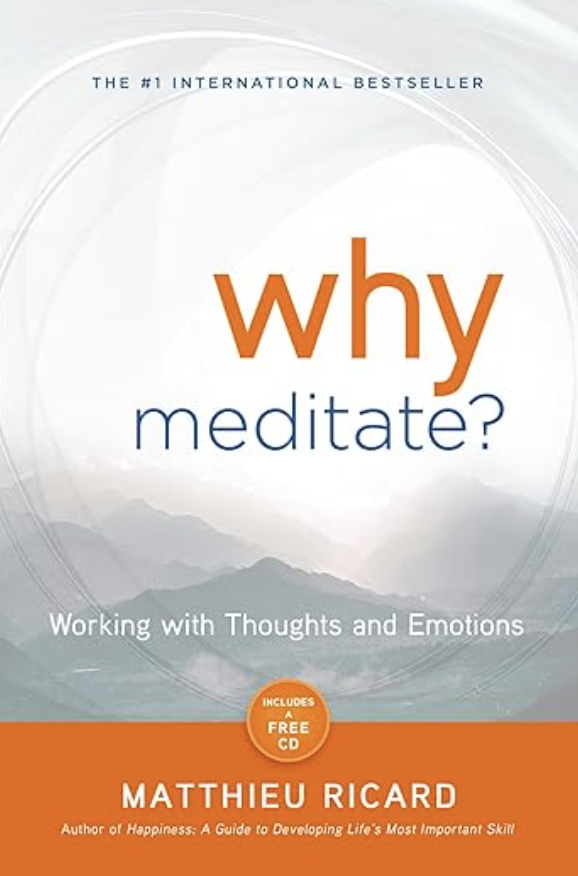
Why Meditate
A clear, accessible introduction to meditation by Matthieu Ricard, focused on working skillfully with thoughts and emotions to cultivate balance and compassion.
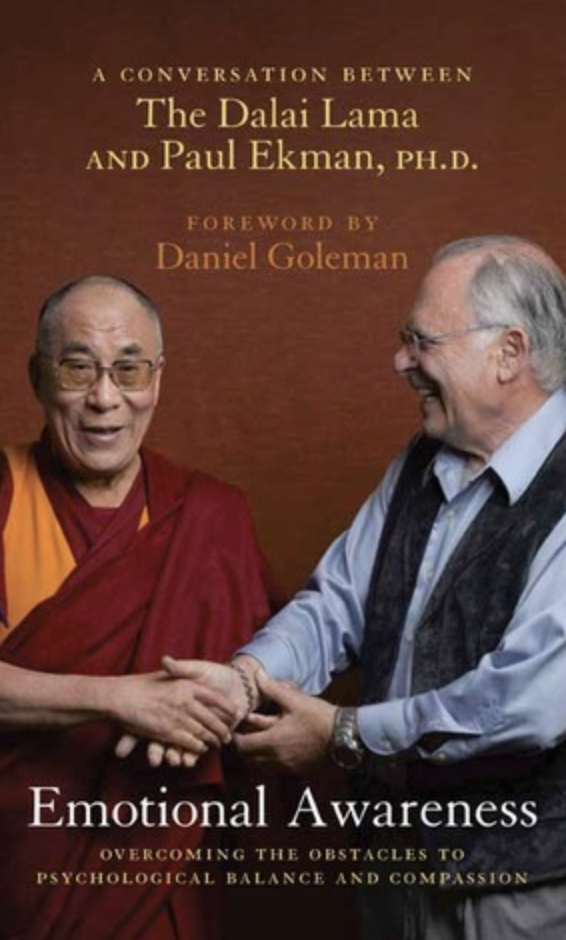
Emotional Awareness
A thoughtful dialogue between the Dalai Lama and world-renowned psychologist Paul Ekman on emotional awareness, balance, and the cultivation of compassion.

Hyper Island Toolbox
An experiential learning and facilitation toolkit from Hyper Island, focused on collaboration, reflection, and learning through action.
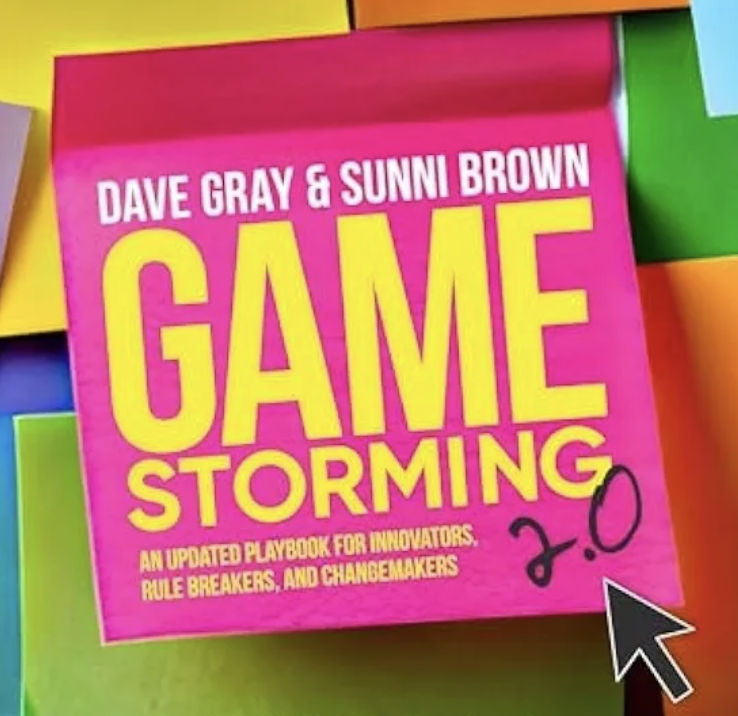
Gamestorming
A facilitation toolkit based on structured games that help teams think visually, collaborate more effectively, and tackle complex challenges together.
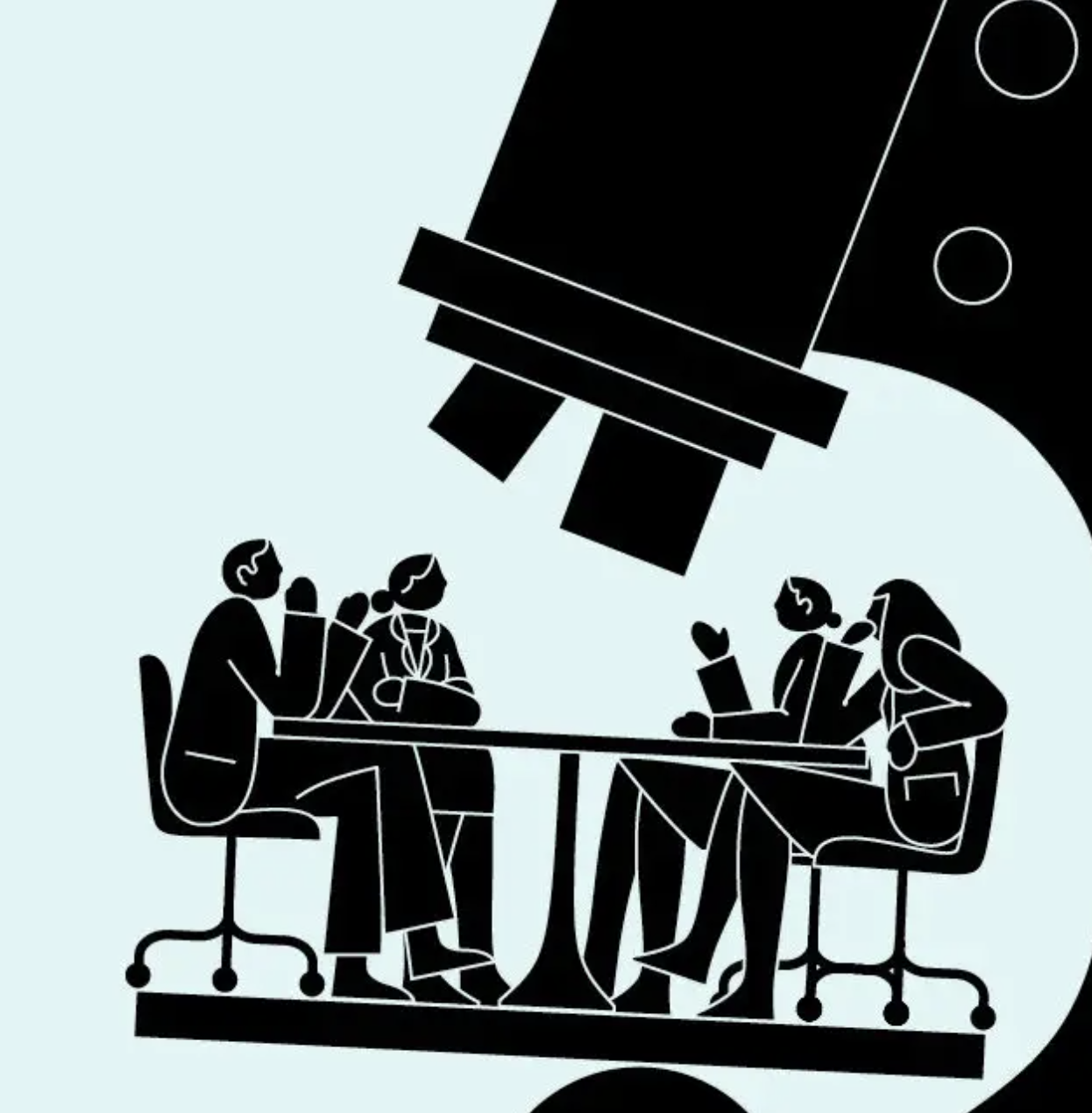
Google’s Aristotle Project
Google’s research revealed that great teams aren’t built on talent alone, but on psychological safety — the shared belief that it’s safe to speak, risk, and be human at work.
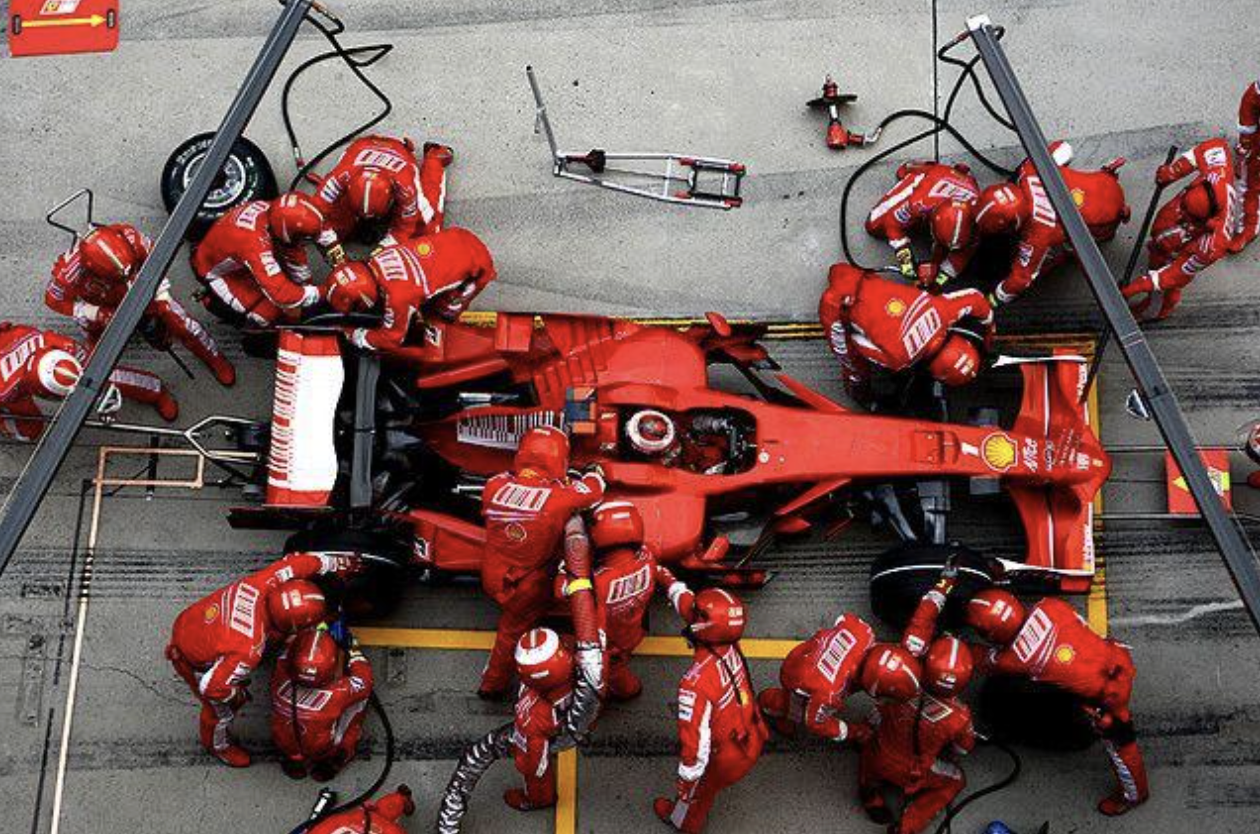
Formula 1 Pitstop & Leadership
When teams fail under pressure, the problem is often not skill or effort, but design. This story shows how looking sideways — to Formula 1 pit crews — helped a hospital radically reduce errors and rethink how high-stakes teamwork really works.