

An Expanding Collection of 90+ of My Top Energizers, Exercises & Sources for Meaningful Collaboration & Personal Growth
Search for Something Specific
Filter By Resource Type
Filter By Resource Subject
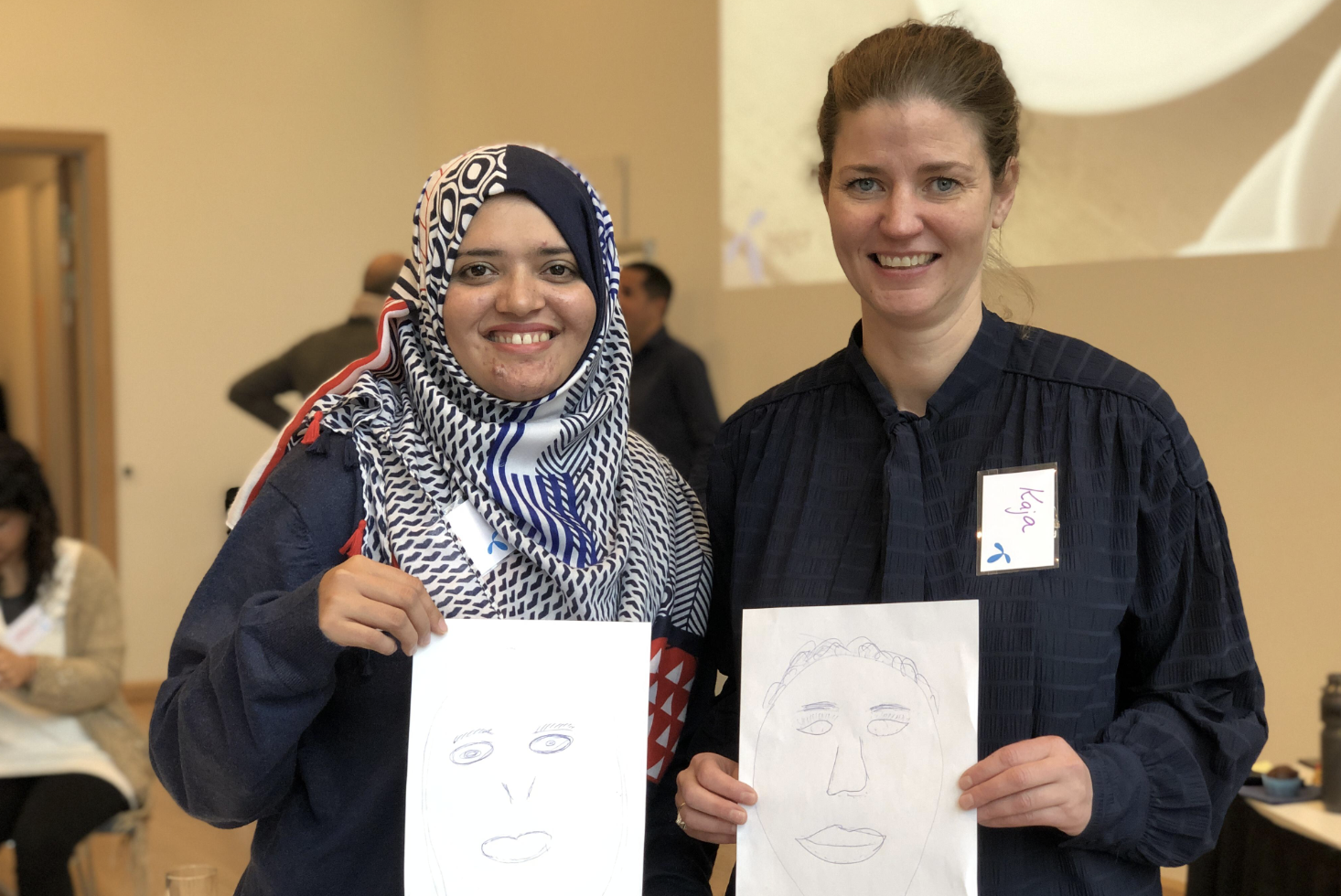
Face-Off Portraits
Face-Off Portraits asks people to draw each other seriously—and fail publicly. The result is laughter, lowered defenses, and a fast reset of creative courage.
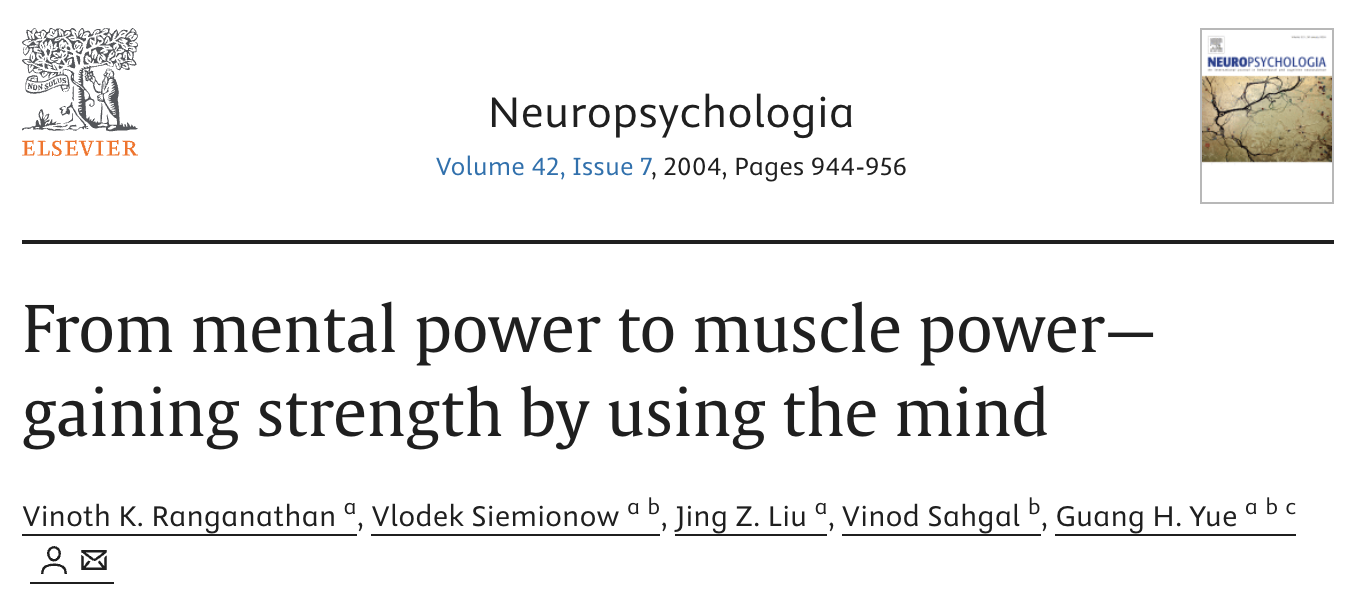
From Mental Power to Muscle Power
A striking neuroscience finding: imagining maximal effort can measurably increase muscle strength. This study shows that strength is not just built in the muscles, but shaped by attention and imagery.
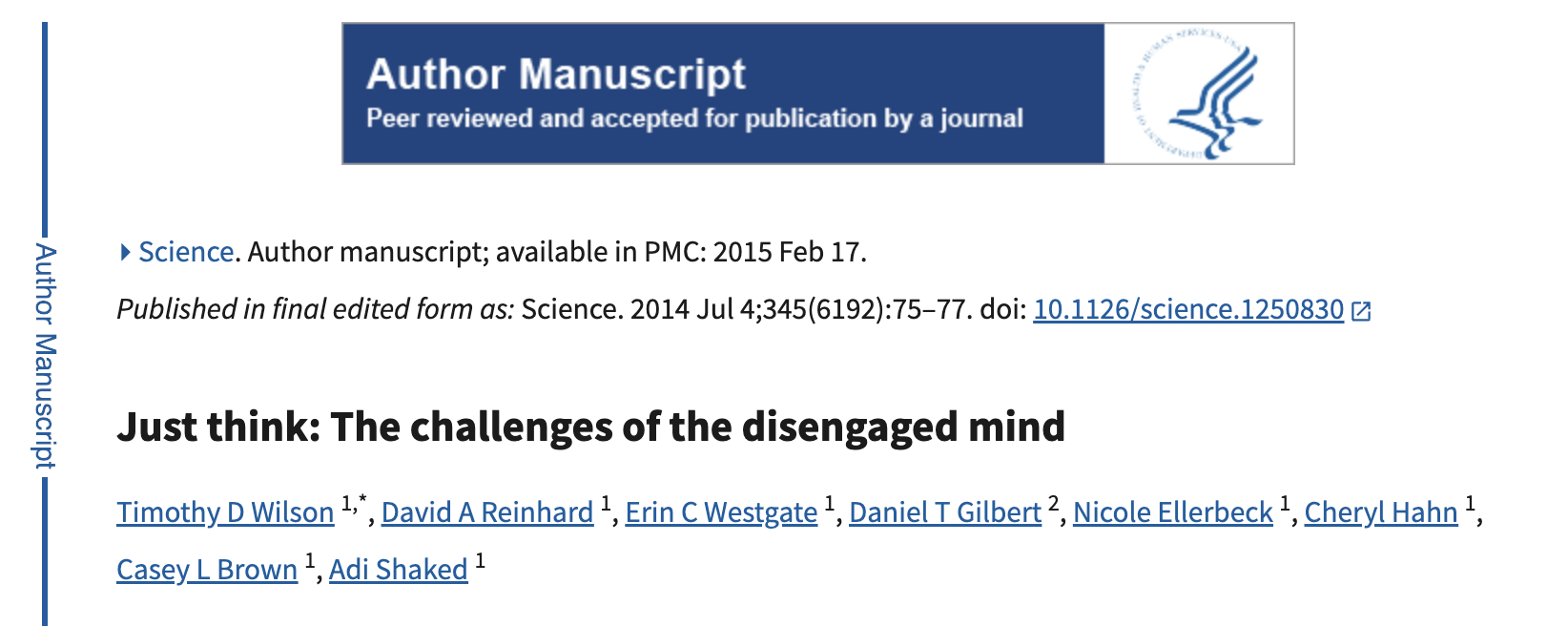
Just Think
A striking research finding: most people don’t enjoy being alone with their own thoughts — and many will avoid it at almost any cost.
This study explains why attention, presence, and reflection are skills that must be trained, not assumed.
Affirmation of Personal Values
A controlled experiment showing that reflecting on personal values measurably reduces the body’s stress response. It reveals that values are not abstract ideals — they help the nervous system stay regulated under pressure.
Synchrony & Cooperation
A set of experiments showing that moving in synchrony increases cooperation and trust. Even simple shared timing — walking, singing, or moving together — makes groups more willing to act for the collective good.
A Wandering Mind Is an Unhappy Mind
A large-scale Harvard study showing that mind wandering is common — and strongly linked to lower happiness. It reveals that how we pay attention matters more for well-being than what we’re doing.
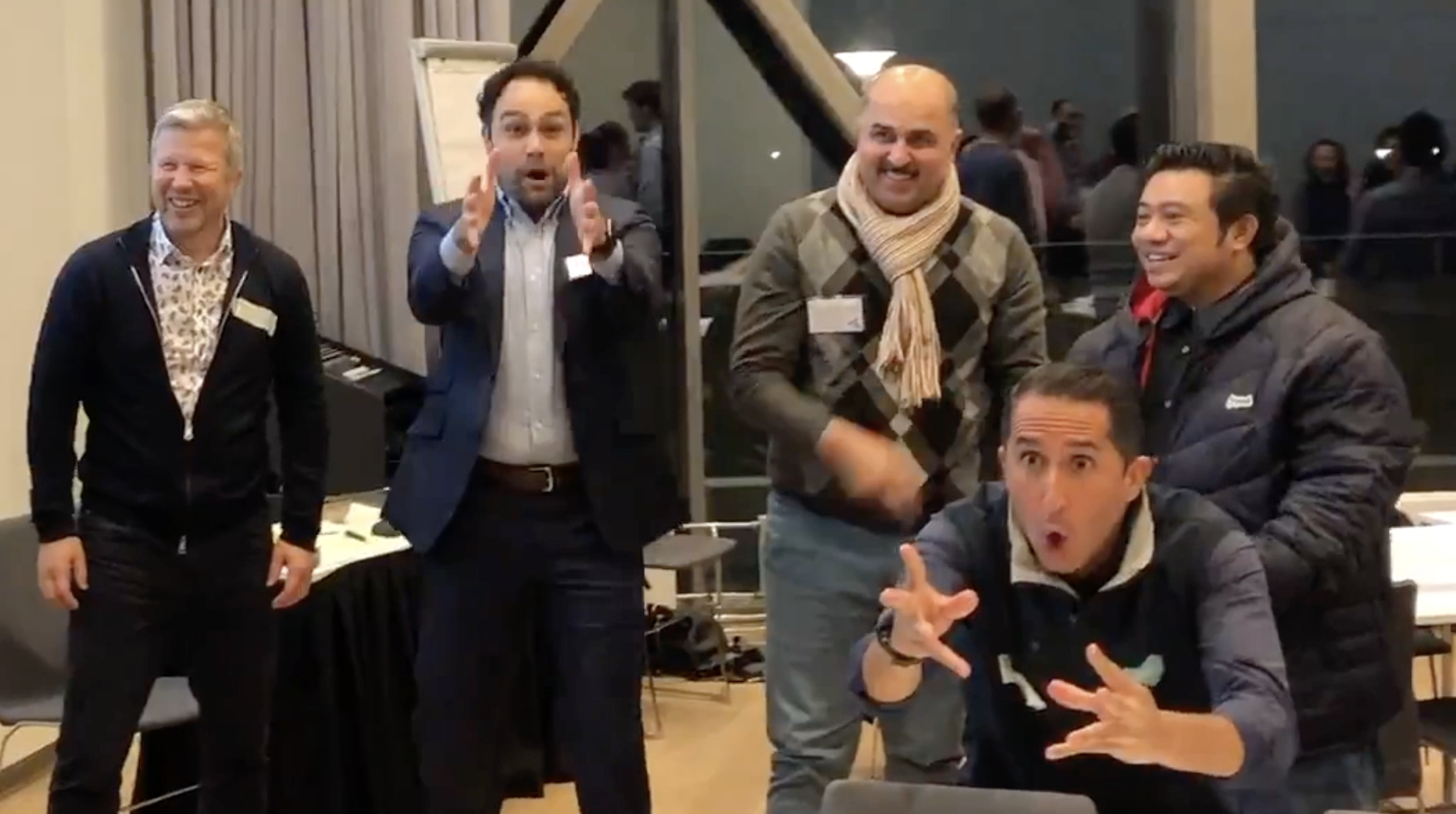
Invisible Ball
Invisible Ball is a fast-moving group exercise built on imaginary objects and real sounds. As complexity increases, participants practice presence, coordination, and letting go of self-consciousness together.
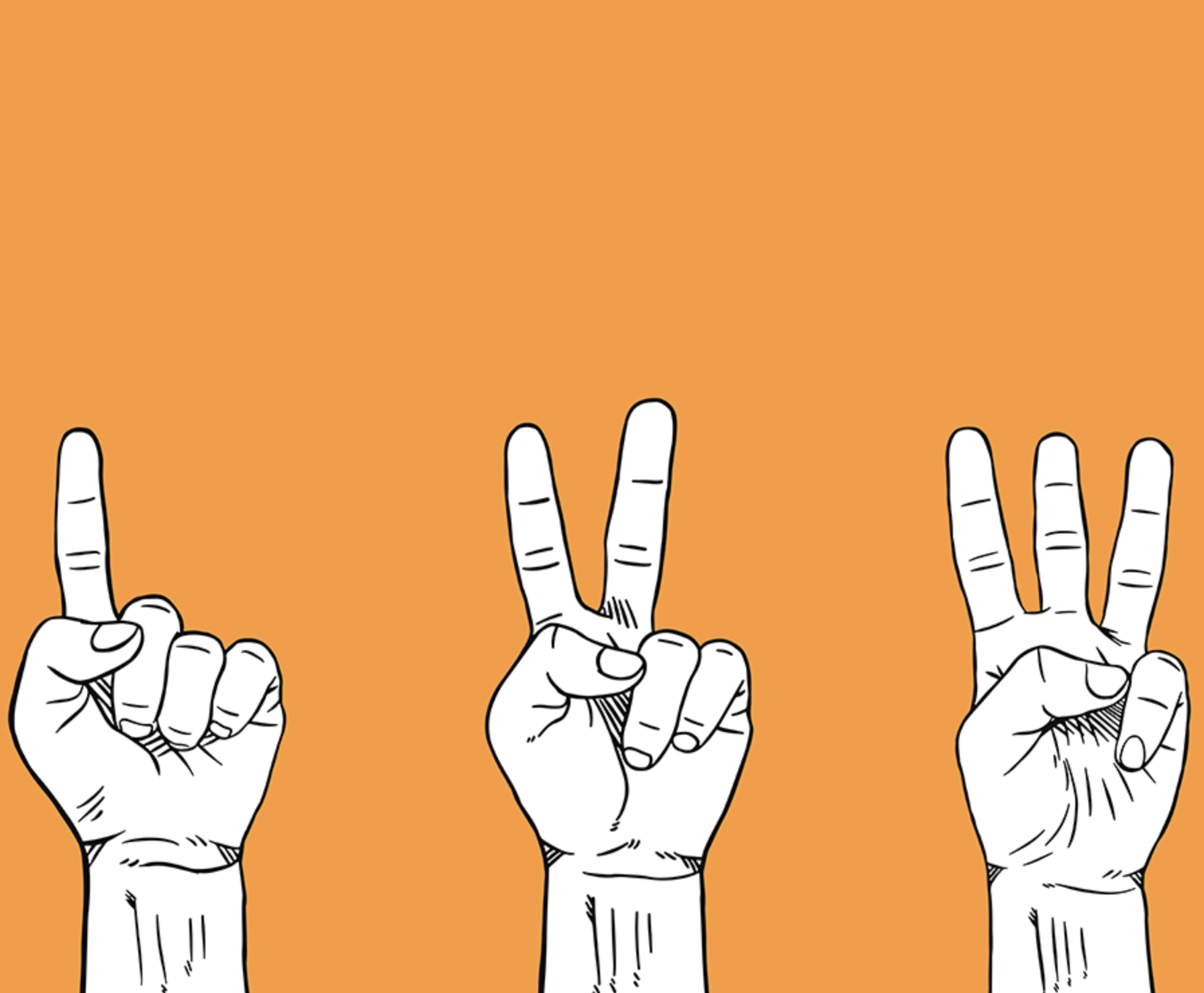
Three Things
Three Things is a rapid-fire exercise built on spontaneity and simplicity. It reduces overthinking by making judgment impossible — momentum replaces self-editing.
Zip · Zap · Boing
Zip · Zap · Boing is a high-energy circle game where attention must stay fully embodied to keep up. It trains instant awareness by rewarding presence, not thinking.
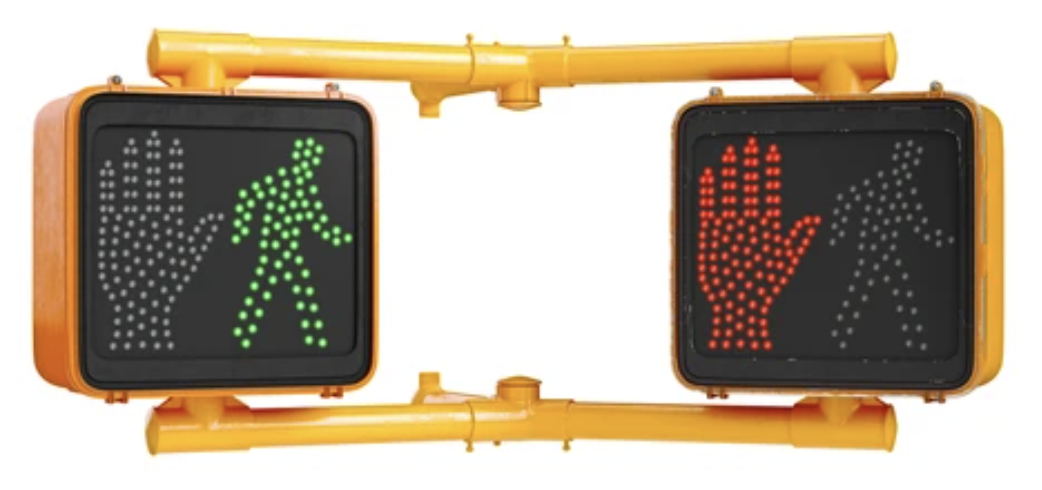
When I Say “Walk” You Walk
When I Say “Walk” You Walk is a fast, embodied attention game built on reversals and changing rules. It breaks autopilot by forcing people to listen, adapt, and respond in real time — before habit takes over.